
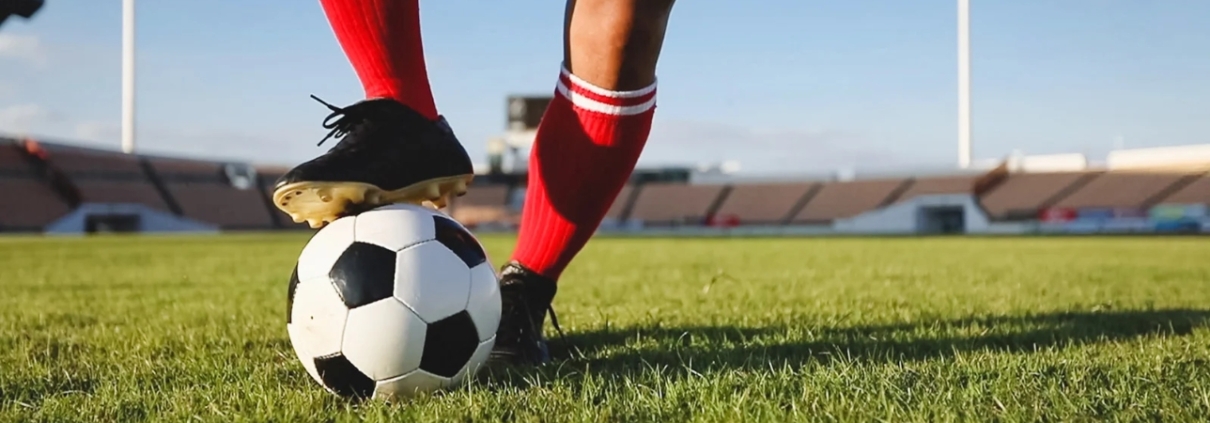
Soccer Injury Prevention
Soccer places significant demands on the body. Repetitive sprinting, cutting, pivoting, and contact all increase the risk of injury over time. Even without a single traumatic event, microdamage and inflammation can build up, leading to pain, decreased performance, and eventual injury.
At Renovo Biologics & Sports Medicine, we take a proactive approach to injury prevention by focusing on regenerative, non-surgical treatments that support the body’s natural ability to heal, recover, and stay strong throughout the season.
The Hidden Risk in Soccer
Many soccer-related injuries develop gradually rather than from a single incident. Contributing factors include:
- Repetitive stress on joints and soft tissue
- Muscle fatigue and overuse
- Ongoing inflammation that does not fully resolve
- Minor injuries that go untreated
Over time, these issues can lead to:
- Tendon injuries, including patellar and Achilles tendinopathy
- Muscle strains
- Chronic joint pain
- Stress-related bone injuries
Our Approach: Regenerative Injury Prevention
At Renovo, the goal is to address problems early—before they progress into more serious injuries that require extended recovery or surgery.
PRP (Platelet-Rich Plasma) Therapy
PRP uses concentrated platelets from your own blood to deliver growth factors directly to injured or stressed tissues. This can help:
- Reduce inflammation
- Support tissue repair
- Strengthen tendons and ligaments
- Promote healing in areas under repetitive strain
Stem Cell Therapy
Stem cell-based treatments offer advanced regenerative support for joints and soft tissue. These therapies may:
- Promote deeper healing at the cellular level
- Support cartilage and joint health
- Improve recovery from chronic overuse
Early Intervention Care
Early symptoms should not be ignored. Signs such as tightness, mild pain, decreased performance, or recurring soreness often indicate underlying stress or inflammation.
Addressing these issues early allows for more effective treatment and can help prevent more significant injury and time away from sport.
Why This Matters for Soccer Players
Soccer is associated with a high rate of non-contact injuries, particularly involving:
- Knees, including ACL and meniscus injuries
- Ankles and foot structures
- Hamstrings and quadriceps
- Tendons exposed to repetitive loading
By addressing inflammation and tissue stress early, regenerative treatments can help:
- Maintain performance throughout the season
- Reduce recurring pain or flare-ups
- Support faster recovery between games
- Potentially delay or avoid surgical intervention
Exertional Leg Pain in Soccer Players
Exertional leg pain is a common issue in soccer athletes and is often misunderstood or overlooked until it begins to impact performance.
It typically presents as:
- Tightness, pressure, or cramping in the legs
- Pain that begins during running or high exertion
- Symptoms that improve with rest but return quickly
While often assumed to be muscular, exertional leg pain can have multiple underlying causes.
Common Causes Include:
- Chronic exertional compartment syndrome (CECS)
- Shin splints (medial tibial stress syndrome)
- Muscle overuse and fatigue
Vascular Causes (Often Overlooked)
In some cases, exertional leg pain may be secondary to vascular conditions, meaning blood flow is limited during activity.
These may include:
- Popliteal artery entrapment syndrome (PAES)
- Endofibrosis, particularly in high-level endurance athletes
- Venous outflow obstruction or insufficiency
When circulation is impaired, muscles may not receive adequate oxygen during exertion. This can lead to:
- Cramping or deep aching pain
- Heaviness or tightness in the legs
- Reduced endurance or performance
Because these symptoms can closely mimic muscular conditions, vascular causes are frequently missed or misdiagnosed.
Our Role in Early Treatment
At Renovo, we recognize that exertional leg pain is not always simply due to overuse.
For appropriate candidates, regenerative treatments such as PRP (Platelet-Rich Plasma) and stem cell therapy may help:
- Reduce inflammation in affected tissues
- Support healing of overworked muscles and tendons
- Strengthen soft tissue under repetitive stress
- Improve overall function and performance
These treatments work by supporting the body’s natural healing processes and addressing tissue stress before it progresses to a more serious injury.
When a vascular component is suspected, proper evaluation is essential to ensure an accurate diagnosis and appropriate treatment plan.
Stay in the Game
You do not have to wait for a major injury to take action. Early symptoms are often the first sign that your body needs support.
Addressing these concerns proactively can help you recover more effectively, maintain performance, and continue participating in the sport you enjoy.